
June 22nd, 2023
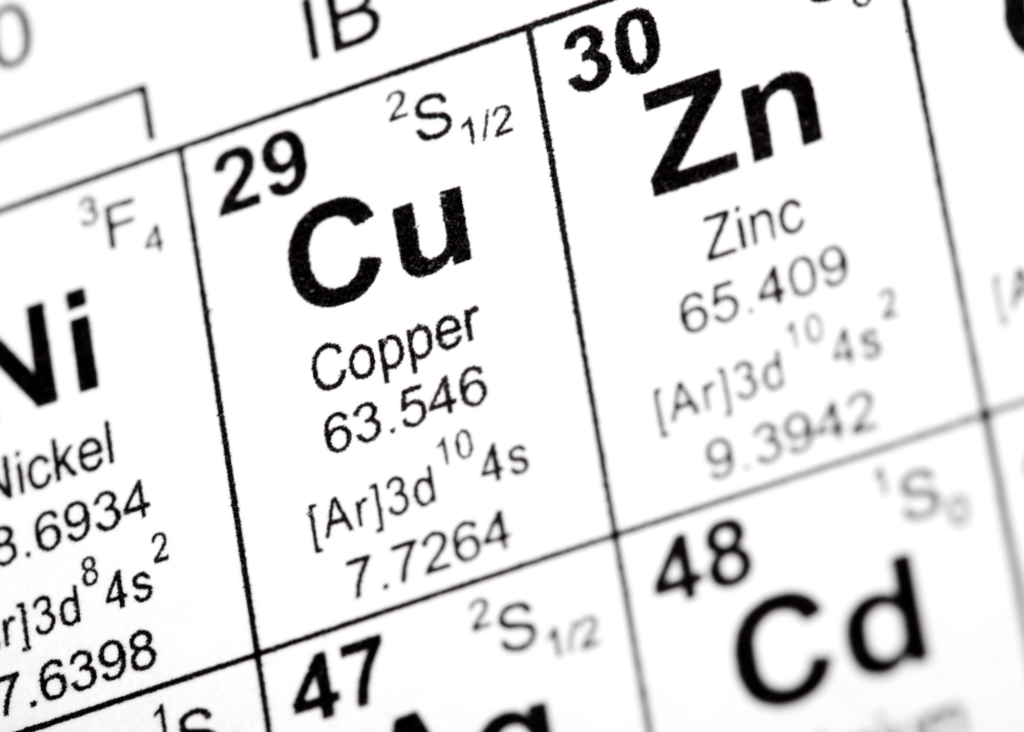
Balancing Zinc and Copper
As parents, we always want what’s best for our children, especially when it comes to their health and well-being. For moms of children with ADHD symptoms, finding natural ways to reduce symptoms and support their child’s development is a top priority. One crucial aspect to consider is the delicate balance between two trace minerals, zinc and copper. In this blog, we’ll explore the significance of these minerals, their role in the brain, and how understanding their interplay can empower moms on their journey to unlock their child’s awesome potential.
Zinc: The Key to a Healthy Brain:
Zinc, despite being required in small amounts, plays a vital role in numerous bodily functions. When it comes to brain health, zinc is a critical player. It is involved in the production of proteins and enzymes that support cellular activity and the creation of neurotransmitters like dopamine, norepinephrine, and serotonin. Achieving a balance in these neurotransmitters is fundamental for effectively managing ADHD-related imbalances in the brain and associated behaviors.
Additionally, zinc plays a role in the production of melatonin, the hormone responsible for regulating the sleep-wake cycle. Furthermore, the development of the hippocampus, the brain region responsible for memory and movement, also relies on adequate levels of zinc. By nourishing neurons and protecting them from oxidative damage, zinc contributes to overall brain health.
Copper: Balancing the Seesaw
While copper is essential in small amounts for good health, an excess of it can be toxic. Excessive copper can interfere with serotonin levels and may contribute to ADHD symptoms, particularly hyperactivity-impulsivity and aggressiveness. It’s worth noting that nearly half of all children with ADHD have been found to have elevated copper levels and low zinc levels.
Recognizing the Signs of Copper Excess:
To determine if copper excess may be a factor for your child, consider these signs:
- Previous ADHD medication, such as Ritalin, didn’t work or made symptoms worse.
- Your child has picky eating habits, decreased appetite, or a dulled sense of taste and smell.
- Your child experiences digestive problems. Zinc is necessary for proper digestion.
- Your child has vegan or vegetarian dietary preferences.
- Allergies are an issue for your child. It can be a symptom of copper excess and a weakened immune system.
- White spots on your child’s fingernails indicate a zinc deficiency.
- Your child has a history of overactivity and sleep problems during infancy.
- High-stress levels cause stress hormones to interfere with zinc activity, potentially leading to cortisol imbalances.
- Your child participates in strenuous physical activities. Zinc can be lost through sweat.
- A lot of plastic use- BPA (Bisphenol A) the compound used in plastics binds to zinc and can interfere with its function.
Empowering Moms to Take Action:
Now that you understand the importance of balancing zinc and copper and have identified potential signs of copper excess, here are some proactive steps you can take to support your child’s well-being:
- Protect your child from copper in drinking water by allowing the cold water to run for 30-60 seconds before consumption and avoiding the use of hot water for drinking or cooking.
- Consider installing a water filter that utilizes reverse osmosis, ultrafiltration, distillation, ion exchange, or activated carbon.
These methods effectively remove a high percentage of copper from water.
To further know if this is an issue for your child consider Hair Mineral Analyses testing. It will ensure you have accurate information for making informed decisions.
By understanding the intricate relationship between zinc and copper and their impact on ADHD symptoms, you are equipped with valuable knowledge to support your child’s development naturally. Remember, achieving balance is key. Supplementing with zinc can help address deficiencies and counteract the effects of copper excess.
In addition to addressing mineral balance, a holistic approach to managing ADHD symptoms involves comprehensive lifestyle changes. This includes promoting a healthy diet rich in nutrients, regular exercise to support brain function, implementing effective stress management techniques, and fostering a supportive and nurturing environment for your child.
As you embark on this journey to unlock your child’s awesome potential, remember that each child is unique, and progress may take time. Be patient with yourself and your child, celebrate small victories, and seek support from like-minded parents or professionals who can provide guidance and encouragement along the way.
By empowering yourself with knowledge and taking proactive steps to address zinc and copper balance, you are demonstrating your commitment as a loving and dedicated mom. Your efforts will contribute to creating a positive impact on your child’s well-being and pave the way for unlocking their incredible potential.
Remember, you have the power to make a difference, and together, we can create a brighter future for our children with ADHD symptoms.