
June 25th, 2023
Heal the Gut, Help the Brain
The human gut is home to trillions of microorganisms collectively known as the microbiome, which plays a vital role in our overall health and well-being. In recent years, scientists have discovered a strong link between the gut and the brain, highlighting the importance of maintaining a balanced microbiome for optimal brain function. In this blog, we will delve into the significance of a healthy gut microbiome and its impact on brain health. Specifically, we will explore the imbalances caused by yeast and Clostridia, focusing on the chemical HPHPA and its effects on brain function. Additionally, we will discuss the power of probiotics and the mechanisms through which microbiota influences communication between the gut and the brain.
The Role of Gut-Friendly Bacteria:
Gut-friendly bacteria, also known as probiotics, contribute to various aspects of gut health, ultimately promoting a healthy brain. Let’s take a closer look at the ways in which these bacteria positively impact our overall well-being:
Digestion and Intestinal Health: Probiotics help propel food through the intestines, preventing constipation and promoting regular bowel movements. They also contribute to the strength and integrity of the intestinal lining, reducing the risk of a leaky gut.
Appetite Regulation: Gut-friendly bacteria play a role in easing food cravings and regulating appetite, assisting in maintaining a healthy weight.
Defense Against Harmful Bacteria: Probiotics inhibit the growth of harmful bacteria in the gut, creating a balanced microbial environment and reducing the risk of infections and digestive disorders.
Gut-Immune System Interaction: Gut microbiota activate the gut-based immune system, which constitutes a significant portion (approximately 70%) of the overall immune system. This interaction helps defend against pathogens and supports a robust immune response.
pH Stabilization: Probiotics contribute to stabilizing the pH of the intestines, creating an environment conducive to the growth of beneficial bacteria and discouraging the proliferation of harmful ones.
Hormone Regulation: Gut-friendly bacteria aid in the breakdown and synthesis of hormones, ensuring hormonal balance within the body.
Nutrient Synthesis and Absorption: Beneficial bacteria in the gut manufacture essential substances such as essential fatty acids (EFA), B vitamins, and vitamin K. They also enhance the absorption of vitamins and minerals from the food we consume.
Imbalances: Yeast and Clostridia:
Despite the numerous benefits of a balanced microbiome, imbalances can occur, leading to various health issues. Two common imbalances involve yeast and Clostridia bacteria. Let’s explore these imbalances and their effects on the brain:
Yeast Imbalance: Candida overgrowth, a type of yeast, can disrupt the delicate balance of the gut microbiome. It can lead to a condition known as Candida overgrowth syndrome, potentially causing symptoms such as fatigue, brain fog, and digestive problems.
Clostridia Imbalance: Clostridia is a genus of bacteria that includes various species, some of which can generate a chemical called HPHPA. Elevated levels of HPHPA have been associated with brain-related symptoms, particularly in individuals with ADHD symptoms. Increased HPHPA production by certain strains of Clostridia can contribute to heightened agitation and aggression in affected individuals.
The Role of HPHPA in Brain Function:
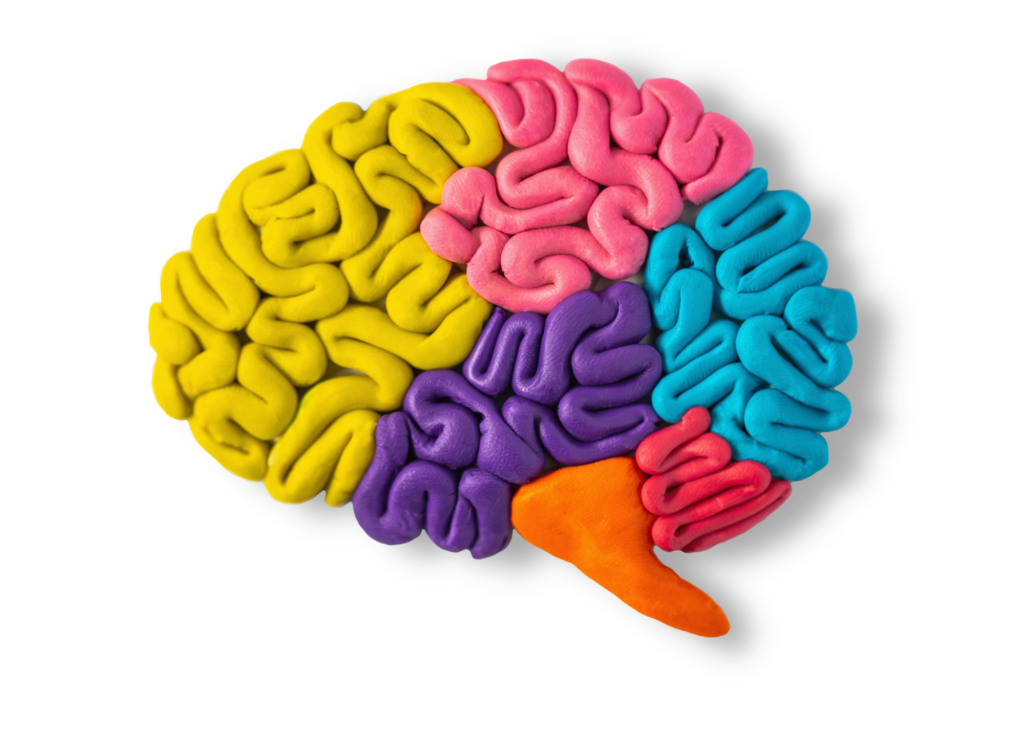
HPHPA is known to interfere with brain function, particularly in individuals with ADHD symptoms. HPHPA prevents the breakdown of dopamine into epinephrine, leading to elevated dopamine levels. This imbalance of dopamine can have significant effects on mental, emotional, and behavioral health. Here are some key points regarding the role of HPHPA in brain function:
Dopamine Imbalance: Dopamine is a neurotransmitter that plays a crucial role in both inhibition and excitation within the brain. Balanced dopamine levels are essential for focus, motivation, and overall cognitive function. However, an imbalance of dopamine, as seen in individuals with elevated HPHPA levels, is common in ADHD.
Neuronal Overstimulation: When HPHPA levels are elevated, dopamine levels increase and neurotransmitters can spill out of the vesicles, resulting in overstimulated neurons. This overstimulation can lead to symptoms such as agitation, anxiety, difficulty focusing, weakened impulse control, repetitive behavior, and impaired decision-making.
Oxidative Stress: Excess dopamine can also lead to increased oxidative stress in the brain. To combat oxidation, the body uses glutathione, a potent antioxidant. However, the fight against HPHPA and excess dopamine depletes glutathione levels, leaving fewer resources available to combat other brain-harming oxidants like mercury and pesticides. Additionally, this process depletes crucial nutrients such as zinc, magnesium, and B vitamins, which are essential for maintaining a healthy and balanced brain.
ADHD and HPHPA: Research suggests that approximately 10%-20% of children with ADHD have elevated HPHPA levels. If a child exhibits increased agitation and anxiety after starting stimulant medication like Ritalin, it may indicate elevated dopamine levels caused by HPHPA. Hyperactivity, agitation, and aggression in such cases are strong signs of elevated dopamine levels, which can be linked to the presence of HPHPA.
Detecting and Treating HPHPA Overwhelm:
To determine if HPHPA is overwhelming the gut, an Organic Acids Test (OAT) can be conducted. The OAT is a diagnostic tool that analyzes metabolic by-products, including HPHPA, to identify imbalances in the gut. Integrative treatments can then be employed to normalize gut flora, decrease HPHPA production, and improve behavior.
Understanding the gut-brain axis and the importance of a balanced microbiome is crucial for promoting overall health, especially brain health. The gut microbiota, including probiotics, play a vital role in regulating neurotransmitters, hormones, and immune responses that directly influence the brain. Imbalances in gut bacteria, such as yeast and Clostridia, can lead to the production of chemicals like HPHPA, which can disrupt brain function, particularly in kids with ADHD symptoms. By recognizing these imbalances and implementing integrative treatments, we can strive to restore balance to the gut-brain axis, leading to improved cognitive function and overall well-being.