
January 21st, 2026
One-Spoon Gut-Supporting Applesauce Recipe
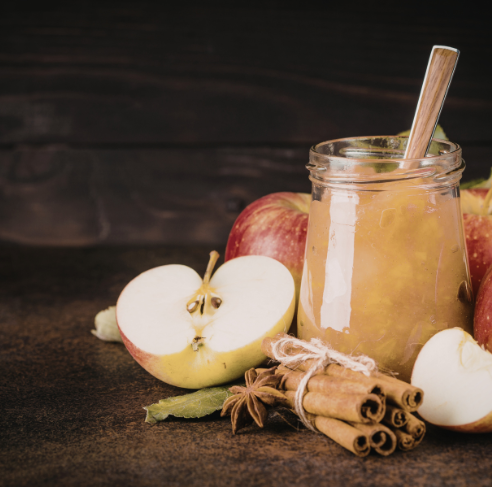
When we talk about kids’ gut health, probiotics usually steal the spotlight. But there’s another piece that often gets overlooked—and without it, even the best probiotics can’t do their job.
That piece is prebiotics.
Prebiotics are specific types of fiber that feed beneficial gut bacteria. Think of them as fertilizer for the microbiome. Without enough of them, good bacteria struggle to survive and thrive.
And here’s the reality: most kids aren’t getting enough prebiotic fiber.
This matters because a child’s gut doesn’t just affect digestion. It plays a role in:
- Blood sugar balance
- Immune resilience
- Mood and emotional regulation
- How the brain processes stress and stimulation
- Stool regularity
When the microbiome is undernourished, we often see it show up as constipation, tummy aches, sugar crashes, irritability, or dysregulation, especially in sensitive kids.
Prebiotics vs. Probiotics: What Kids Really Need
This is where many parents get confused, so let’s simplify it.
Probiotics
- These are live beneficial bacteria
- Found in fermented foods or supplements
- Helpful- but only if the gut environment can support them
Prebiotics
- These are fibers that feed beneficial bacteria
- Found in certain plant foods
- Essential for helping good bacteria grow and stay active
For kids, prebiotics often matter more than probiotics.
Why? Because you can add bacteria, but if you don’t feed them, they won’t stick around.
This is why food-based prebiotics are such a powerful starting point, especially for children who may not tolerate supplements well.
Why Apple Skin Is So Powerful
One of the most gentle and effective prebiotic fibers for kids is pectin, found primarily in apple skins.
Pectin is a soluble fiber that:
- Feeds beneficial gut bacteria
- Helps soften stools and support regular bowel movements
- Supports blood sugar balance
- Is soothing for sensitive digestive systems
And unlike many high-fiber foods, it’s easy for kids to accept.
Applesauce feels familiar. Safe. Non-threatening.
Small Steps That Support the Microbiome
Gut health doesn’t have to start with a protocol. For kids, especially, it often starts with simple, repeated exposure to the right foods.
A spoon a day may not feel dramatic, but it feeds the microbiome in a way that compounds over time.
One-Spoon Gut-Supporting Applesauce Recipe
Ingredients
- 6–8 organic apples (leave the skin on)
- ½–¾ cup water
- Optional: pinch of cinnamon
Instructions
- Wash apples well and core them (no peeling needed).
- Chop into chunks and place in a pot with water.
- Simmer covered on low for 15–20 minutes, until soft.
- Mash with a fork or blend with an immersion blender to the desired texture.
- Cool and store in the fridge for up to 5 days, or freeze in portions.
How to use
- Serve 1–2 tablespoons daily
- Stir into oatmeal, yogurt, or chia pudding
- Add to smoothies
- Offer after school or alongside breakfast
That one spoon is enough to gently feed the microbiome.